

Our work
Lighting design, storytelling, and scenic electrics engineering—bringing creative ideas to life across Broadway, broadcast, themed entertainment, dance, and live concerts.
From the first creative conversation through technical design, integration, and production support, we connect the vision with the details that make it work.
Explore the timeline by area of interest below.
2026 · Broadcast
ESPN Studios A/B
Scenic electrics technical design
Broadcast studios
Scenic lighting for broadcast needs to do more than look right in person. It must read cleanly on camera, support the visual composition, and complement the talent and subject matter without competing for attention.

2026 · Broadcast
ESPN’s Manningcast
Scenic electrics technical design
2026 · Broadway
The Buena Vista Social Club — First National Tour
Scenic electrics technical design
2025 · Themed Entertainment
Disney Starlight
Dream the Night Away
Embedded Lighting Engineering and Pixeleering™ support
Working with multiple fabricators and in close collaboration with Disney’s creative team, JWD provided embedded lighting engineering and Pixeleering™ support for Blue Fairy, Moana, Frozen, the Royal Court/princess float, and the Whimsy finale train.


2025 · Broadway
The Lost Boys
Scenic electrics technical design
Embedded scenic lighting engineering
A precise lighting design depends on more than fixture placement. It depends on how the scenery is built, how its pieces connect, and how faithfully the complete system carries the creative intent onto the stage.
2025 · Broadway
Beauty and the Beast
Scenic electrics technical design
2025 · Live Concerts
Post Malone — Tour
Scenic electrics technical design
JWD provided Scenic Electrics Technical Design on the PostyCo Sign.
JWD provided Scenic Electrics Technical Design on the PostyCo Sign.
2025 · Broadway
The Phantom of the Opera — Tour
Scenic electrics technical design
2025 · Broadway
Just in Time
Scenic electrics technical design
2025 · Broadway
Hell’s Kitchen — Tour
Scenic electrics technical design
2024 · Broadway
The Heart of Rock and Roll
Scenic electrics technical design
Broadway · Original Broadway production
Bringing new lighting technology into a production takes more than selecting the equipment. It takes understanding how that technology will behave within the scenery, connect with the production’s systems, and support the creative team’s vision.
2024 · Broadway
& Juliet
Scenic electrics technical design
2024 · Broadway
Redwood
Scenic electrics technical design
2024 · Broadway
Cabaret
Scenic electrics technical design
2024 · Broadway
Death Becomes Her
Scenic electrics technical design
2024 · Broadway
Hell’s Kitchen
Scenic electrics technical design
2024 · Broadway
Queen of Versailles
Scenic electrics technical design
2024 · Broadway
Train Times
Scenic electrics technical design
2023 · Broadway
Harmony
Scenic electrics technical design
Broadway · Original Broadway production
Traditional lighting technology can still present a complex engineering challenge. For Harmony, the familiar glow of clear incandescent bulbs depended on precise circuiting, carefully planned connections, and documentation that made the design straightforward to build.

2023 · Broadway
How to Dance in Ohio
Scenic electrics technical design
Broadway · Original Broadway production
Ownership means staying with a project beyond the plans—through the unexpected challenges and the practical adjustments needed to deliver the intended result.
2023 · Dance
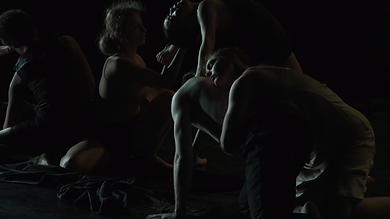
…she was becoming untethered.
Lighting design
92nd Street Y, New York City · Dance
Meaningful collaboration begins with trust: the freedom to explore, the willingness to listen, and a shared understanding of what an audience should feel.



2023 · Broadcast
BravoCon
Scenic electrics technical design
2023 · Broadway
Good Night, Oscar
Scenic electrics technical design
2023 · Broadway
Grey House
Scenic electrics technical design
2023 · Broadway
Here We Are
Scenic electrics technical design
2023 · Live Concerts
Madonna — Tour
Scenic electrics technical design
2023 · Broadway
MJ — Tour
Scenic electrics technical design
2023 · Broadway
Moulin Rouge! — Tour
Scenic electrics technical design
2022 · Live Concerts
Carrie Underwood
Scenic electrics technical design
Live concert tour · The Denim & Rhinestones Tour
Some concert moments depend on lighting that becomes part of the scenery itself. For Carrie Underwood’s The Denim & Rhinestones Tour, illuminated wings framed the performer as she traveled above the audience—bringing a striking visual effect into a moment of connection with her fans.

2022 · Broadway
Bad Cinderella
Scenic electrics technical design
Broadway · Original Broadway production
For Bad Cinderella, JWD engineered integrated scenic lighting across the show deck, three-dimensional pop-up buildings, three portals, and a moving ground row. Working with two fabrication shops, we brought a consistent engineering approach to scenic elements that combined lighting, movement, structure, and tightly constrained physical space.

2022 · Broadway
Funny Girl
Scenic electrics technical design
Broadway · Broadway revival
A revival offers an opportunity to approach a familiar story with new creative possibilities. For the 2022 Broadway revival of Funny Girl, JWD helped translate the production team’s lighting vision into integrated scenic systems—bringing contemporary technology to a classic while supporting the story audiences love.
2022 · Broadway
The Devil Wears Prada
Scenic electrics technical design
2022 · Broadway
A Strange Loop
Scenic electrics technical design
2022 · Broadway
Aladdin
Scenic electrics technical design
2022 · Broadway
Bat Out of Hell
Scenic electrics technical design
2022 · Broadway
Tableau
Scenic electrics technical design
2022 · Broadway
The Piano Lesson
Scenic electrics technical design
2022 · Broadway
Topdog/Underdog
Scenic electrics technical design
2021 · Themed Entertainment
Disney Wish
Scenic electrics technical design
Shipboard theatrical productions
For Disney Wish, JWD engineered embedded scenic lighting for three onboard theatrical productions: Disney Seas the Adventure, Disney’s Aladdin – A Musical Spectacular, and Disney The Little Mermaid.
2021 · Broadway
Moulin Rouge! — First National Tour
Scenic electrics technical design
2005–2020 · Themed Entertainment
The Great Jack O’Lantern Blaze
Lighting design, programming & production
Outdoor themed experience
A lasting themed experience needs both continuity and reinvention: the moments visitors return to see, and the discoveries that make each visit feel new.


Project stories
2026 · ESPN Studios A/B
Broadcast studios
Two distinct designs. A consistent engineering approach.
Scenic lighting for broadcast needs to do more than look right in person. It must read cleanly on camera, support the visual composition, and complement the talent and subject matter without competing for attention. For ESPN Studios A and B, JWD engineered embedded scenic lighting across two neighboring studios developed concurrently. Each had a different scenic designer, while both shared a fabricator and technical crew. Our role was to support each studio’s individual design vision while establishing a consistent engineering foundation behind the scenes. COMPLETE SETS, DIFFERENT REQUIREMENTS Studio A’s scope included the scenic walls, overhead soffit, and anchor desk. Studio B included scenic walls, a cubby wall, credenza, a two-sided pivoting wall, repositionable cubby units, and lighting integrated into a touchscreen unit. Those varied elements required different solutions for placement, wiring, power, and control. JWD worked within each design’s physical constraints, coordinating the lighting as part of the scenery rather than treating it as an addition to the completed set. ENGINEERING FOR THE CAMERA Illuminated panels and lightboxes demanded particular attention. A surface that appears even to the eye can reveal unevenness on a high-definition camera. Source spacing, cavity depth, and the relationship between the lighting and finished scenic surface all needed careful consideration. The fabricator supplied a sample incorporating the specified acrylic and laminate finish. JWD used that material to evaluate lighting arrangements, establishing both an ideal configuration and an acceptable range of variation. That distinction mattered. Scenic construction does not always provide uniform depth or unrestricted space. Testing gave us a practical basis for adapting the engineering while protecting the intended appearance. TESTED SOLUTIONS FOR CONSTRAINED SPACES Shallow accent strips presented one example. These areas could not accommodate the same depth as the larger lightboxes, but still needed to deliver even illumination at an appropriate level. JWD evaluated adapted arrangements for those conditions, working through how the lighting could fit the available space and remain consistent with the design intent. The objective was not brightness for its own sake. It was controlled, integrated illumination that supported the studio’s graphics, branding, and overall composition—creating an environment for the broadcast without distracting from it. CONSISTENCY BEHIND DISTINCT DESIGNS Although the studios looked different, their technical infrastructure could share a common approach. JWD standardized power supplies, controllers, dimmers, and connector types wherever practical. Common lighting treatments used consistent sources when the designs allowed, while differing requirements received the products needed to achieve their particular effects. This gave the shared technical crew familiar components and connection methods across both studios, supporting common spare parts and a more consistent approach to maintenance without limiting either designer’s vision. SCENIC LIGHTING EXPERTISE FOR BROADCAST Feedback received from the project team was positive, including reports that the design staff was pleased with the finished result as the studios moved through their technical processes and into use. For JWD, Studios A/B demonstrate how our scenic lighting expertise extends into high-definition television. Camera-facing surfaces, broadcast workflows, and long-term maintenance all inform the engineering. Our contribution was to connect two distinct creative visions with tested lighting arrangements, clear integration plans, and a consistent technical foundation—supporting the teams who bring those environments to the screen.
2026
ESPN’s Manningcast
The Buena Vista Social Club — First National Tour
2025 · Disney Starlight
Dream the Night Away
Scenic electrics engineering & integration
Working with multiple fabricators and in close collaboration with Disney’s creative team, JWD provided scenic electrics engineering for Blue Fairy, Moana, Frozen, the Royal Court/princess float, and the Whimsy finale train. Our scope extended from visible lighting fixtures through their control systems, stopping at the interface with the floats’ battery power systems. PROTECTING THE CREATIVE INTENT For JWD, translating a lighting concept into something buildable begins with understanding what the designers want the audience to experience. Founder Jay Woods’ 25 years in lighting design, combined with extensive experience in scenic fabrication, helped bridge those two worlds. When physical constraints required a change, the goal was to preserve the intended effect while finding a practical solution—and communicate that solution clearly to both the fabrication and creative teams. BLUE FAIRY: EVERY POINT OF LIGHT MATTERS The Blue Fairy brings that approach into focus. Overlapping illuminated elements and swirling pixels combine to form the dress, wand sparkle, and surrounding visual effects. Each component had to work individually, connect with adjacent elements, and contribute to the complete composition. JWD’s engineering accounted for those relationships, documenting and mapping individual points of light so programmers could place effects accurately across the float. A sweep from top to bottom or front to back depended on knowing where each pixel belonged. That visual continuity also had to accommodate a practical reality: the float needed access for performers, maintenance personnel, and equipment. Its illuminated surfaces had to open, even where the lighting was meant to appear uninterrupted. Accounting for those breaks from the outset helped preserve continuous strokes of light across separate scenic components. DOCUMENTATION FOR THE LIFE OF THE FLOAT The work extended beyond fabrication planning. Comprehensive drawing packages moved from overall layouts to individual lighting treatments and detailed electrical diagrams. Pixel maps, spreadsheets, and product specifications supported installation, programming, and ongoing service. Post-fabrication verification and redlining captured changes made during the build. The final documentation recorded what was actually built, creating a reference intended to support each float throughout its service life. THE RESULT: PRESENCE For Jay, the measure of success was seeing the Blue Fairy in person—and watching the people around him respond. “Magic floating down the street.” — Jay Woods Larger than life, luminous, and seemingly floating down the street, the Blue Fairy announces that something magical is about to happen. That presence reflects the achievement of the entire team, with JWD’s contribution woven into the details that make the illusion feel effortless. JWD is grateful to our internal team, the fabrication teams, vendors, and Disney’s creative and technical teams for the care and collaboration that brought this work to life.
2025 · The Lost Boys
Embedded scenic lighting engineering
A precise lighting design depends on more than fixture placement. It depends on how the scenery is built, how its pieces connect, and how faithfully the complete system carries the creative intent onto the stage. For The Lost Boys, JWD engineered embedded lighting for the show deck, walls and platforms, bridge, and pier structures. Working with the lighting and scenic design intent, we developed the technical plans needed to integrate the design team’s selected fixtures into functional scenery—from wiring and connections through supporting control infrastructure. PROTECTING A PRECISE AESTHETIC The walls and platforms presented a particular challenge: their lighting treatments needed to read as one cohesive composition, with carefully prescribed spacing and placement. That composition had to accommodate scenery built in separate, transportable sections, sized to enter the theater and be assembled onstage. Seams, structural requirements, and intersections between walls and platforms all needed to coexist with the intended lighting pattern. The solution wasn’t to move the lights. It was to find ways for the fabrication to support the aesthetic as drawn. Through conversations with the lighting design team and detailed review of the fabrication model, JWD checked that the intended treatment was represented throughout the scenery, identifying adjustments that would bring the physical construction and lighting design into alignment. ENGINEERING FOR THE PEOPLE USING IT The design team selected the fixtures; JWD engineered their implementation. Our work addressed how those fixtures were wired, connected, integrated, and controlled, with documentation that prepared the production team for the scenic pieces arriving onstage. That information also helped the creative team understand and use the embedded lighting throughout technical rehearsals as they developed the show’s looks. SUPPORT BEYOND THE DRAWINGS As the delivered scenery moved into installation, differences between the planned systems and the completed build required additional coordination. JWD remained available as a technical resource, reviewing photographs and redlines and working with production, design, and fabrication teams to understand the installed conditions. Our knowledge of the original engineering intent helped clarify practical paths forward and support timely decisions under production pressure. The focus remained on what the show needed: resolving the challenges in front of the team while protecting the creative vision. A SHARED ACHIEVEMENT Ultimately, the production team fully realized the intended lighting design. The Lost Boys went on to earn the 2026 Tony Award for Best Lighting Design of a Musical, awarded to lighting designers Jen Schriever and Michael Arden. That outcome belongs to the people who shaped and delivered the production—the designers, fabricators, electricians, programmers, production staff, and everyone working alongside them. JWD is proud to have contributed engineering and continued technical support to that collective effort. For us, the project reflects a commitment that extends beyond delivering drawings: staying engaged, helping teams navigate real-world conditions, and supporting the design intent through to the stage.
2025
Beauty and the Beast
Post Malone — Tour
The Phantom of the Opera — Tour
Just in Time
Hell’s Kitchen — Tour
2024 · The Heart of Rock and Roll
Broadway · Original Broadway production
Embedded scenic lighting engineering
Bringing new lighting technology into a production takes more than selecting the equipment. It takes understanding how that technology will behave within the scenery, connect with the production’s systems, and support the creative team’s vision. For The Heart of Rock and Roll, JWD engineered the integration of lighting into the show deck, deck lift, pipe sliders, and Drake sign. Working within the fabricator’s models, we translated lighting and scenic design intent into detailed implementation plans, coordinating closely with the design team and production electrician. LIGHT IN MOTION The deck lift revealed a Metroplex sign combining a neon outline, LED-neon edging, and chasing bulbs. Those treatments shared a confined space with the mechanisms that moved the scenery. Our engineering considered not just where each lighting component would fit, but where it would travel. Clearances had to accommodate the automation equipment inside the unit and the surrounding deck throughout the lift’s movement—preserving the intended lighting effect while respecting the physical demands of moving scenery. A REVEAL BUILT AROUND EMERGING TECHNOLOGY The pipe sliders presented a different challenge: chrome-finished scenic elements that appeared solid until their embedded lighting came to life. This was an early application of 16-bit pixel tape for JWD, offering finer dimming control to support the lighting design. Multiple rows of tape needed to fit within the scenery without revealing their presence before the intended moment. Behind that visual illusion was substantial infrastructure. Large pixel arrays required careful data distribution, addressing, and controller-capacity planning. Power supplies and onboard controls had to fit into compact spaces on units that slid on and offstage, alongside a related overhead piece that flew into position. Every equipment location had to account for tight backstage clearances and neighboring scenery. DESIGNED TO MEET THE PRODUCTION Close coordination with the production electrician helped align the scenic lighting systems with the infrastructure awaiting them in the theater. Through drawing reviews, virtual meetings, and ongoing conversations, we worked through connections, equipment placement, and system requirements before delivery. The goal was straightforward: give the production team a well-documented, coherent system that was as plug-and-play as possible, leaving the creative team free to concentrate on building the show. EXPERIENCE THAT SUPPORTS WHAT COMES NEXT For JWD, this project illustrates the value of approaching emerging technology with a deep foundation in established systems. Long-standing relationships with manufacturers and their engineering teams complement that experience, helping us investigate unfamiliar requirements and plan for their practical implications. From concealed pixel lighting to illuminated moving scenery, our contribution was to connect an ambitious design with the engineering needed to bring it to the stage.
2024
& Juliet
Redwood
Cabaret
Death Becomes Her
Hell’s Kitchen
Queen of Versailles
Train Times
2023 · Harmony
Broadway · Original Broadway production
Embedded scenic lighting engineering
Traditional lighting technology can still present a complex engineering challenge. For Harmony, the familiar glow of clear incandescent bulbs depended on precise circuiting, carefully planned connections, and documentation that made the design straightforward to build. JWD engineered the integration of scenic lighting into the deck, portals, light bulb hangers, and bandstand. Working with the fabricator and coordinating closely with the production electrician, we translated the design team’s intended lighting patterns into detailed implementation plans. A PRECISE PATTERN, BUILT INTO THE WIRING The design called for individual lamps to operate in specific groups across the scenery. Unlike individually addressed pixels, those incandescent lamp groupings were established through physical wiring and circuit assignments. That made the circuit layout an essential part of preserving the lighting design. Each grouping had to remain correct across separate scenic sections, including the breaks needed to transport the scenery into the theater and assemble it onstage. The planning had to account for the complete system while making every individual connection clear—with the aim of getting the intended result without corrective rewiring during installation. CLEAR DRAWINGS FOR COMPLEX SYSTEMS JWD’s documentation combined color-coded circuit layouts, wiring schematics, and cable-routing plans. Distinct colors and clear linework helped the fabrication team follow each circuit and understand how the pieces connected. The routing mattered as much as the connections. Substantial amounts of cable needed to travel through the scenery without becoming visible or obstructing other elements. By resolving those paths within the fabrication plans, we helped make the electrical requirements part of the build from the outset. PLANNED FOR THE PEOPLE INSTALLING IT The portals brought these challenges together. They contained much of the lighting, needed to accommodate other theatrical elements moving through them, and required installation work in locations generally reached by ladder or lift. Connections needed to be straightforward to make overhead. JWD specified standardized multi-pin connectors familiar to the crew, with keyed mating and locking rings to support correct assembly and secure connections. Those practical choices reflected the same attention given to the circuit drawings: consider not only how the system should work, but how people will assemble and use it. ATTENTION TO DETAIL, WHATEVER THE TECHNOLOGY Harmony illustrates a principle that runs through JWD’s work: the age of the technology does not determine the complexity of its application. A time-honored incandescent effect can demand just as much care as an emerging lighting system. Clear plans, thoughtful routing, and well-documented connections help keep that complexity manageable—reducing the risk of avoidable rework and supporting the production team’s time and resources. Our goal is to account for the technical details early, so the people bringing the production to the stage can concentrate on building the show.
2023 · How to Dance in Ohio
Broadway · Original Broadway production
Embedded scenic lighting engineering & production support
Ownership means staying with a project beyond the plans—through the unexpected challenges and the practical adjustments needed to deliver the intended result. For How to Dance in Ohio, JWD engineered embedded scenic lighting for the deck, illuminated letters, and frame wall. The letters became the project’s defining challenge: an apparently straightforward lighting treatment that called for complex engineering and, ultimately, sustained hands-on support in the fabrication shop. LIGHT WITH A STORYTELLING PURPOSE Arranged across the scenery in a grid, marquee-style letters could be illuminated independently to reveal words and create animated effects. They were more than decoration: director Sammi Cannold described the title emerging from the surrounding letters as “clarity emerging from chaos.” That creative concept belonged to the production team. JWD’s role was to help make its physical realization dependable, preserving the incandescent appearance and individual-letter control the design required. ENGINEERING BEYOND THE SURFACE Behind the familiar glow of clear incandescent bulbs was a carefully coordinated system. Power needed to travel across large scenic structures while maintaining the intended brightness and dimming behavior. Substantial wiring had to remain concealed in an open visual composition, with control equipment located outside the audience’s view. JWD developed a detailed engineering package to bring those requirements together. Power distribution, control, connections, and concealed cable routes all needed to work within the physical limits of the scenery. STAYING WITH THE PROBLEM During fabrication, unexpected component-reliability issues required the team to revisit part of the implementation. JWD worked directly with the manufacturer and fabrication crew to investigate the behavior, evaluate alternatives, and develop a revised approach. Jay joined the crew in the shop, providing hands-on troubleshooting and engineering support as the team worked through successive adjustments. The solution required coordinated changes to the electrical arrangement and the way it fit within the letters. Throughout that process, the objective remained unchanged: preserve the intended appearance and control while delivering a dependable system. Under significant schedule pressure, we stayed engaged until the revised approach was working as required. OWNERSHIP THROUGH COMPLETION How to Dance in Ohio reflects a commitment that extends beyond an engineering handoff. When a project’s needs change, JWD brings experience across design, fabrication, and troubleshooting to help the team move forward. The finished result was a collective achievement. Our contribution was to remain an active partner throughout the process—working alongside the people building the scenery, adapting the engineering when necessary, and persisting until the system accomplished what it was intended to do. For JWD, taking on a project means staying accountable to its outcome.
2023 · …she was becoming untethered.
92nd Street Y, New York City · Dance
Choreography: Annie Rigney · Lighting Design: Jay Woods
Meaningful collaboration begins with trust: the freedom to explore, the willingness to listen, and a shared understanding of what an audience should feel. For choreographer Annie Rigney’s …she was becoming untethered., that trust became the foundation of Jay Woods’ lighting design. Annie’s choreography offered a deeply emotional world—dark, transformative, and punctuated by wonder. Working closely together, Annie and Jay shaped a visual language that supported the movement and helped carry its emotional meaning from the stage to the audience. RETURNING TO A WORK THAT MATTERED Jay first designed lighting for the piece at Purchase College’s Conservatory of Dance in 2021, where it appeared within a program of several choreographic works. The 2023 production at the 92nd Street Y offered a different opportunity. In a room without an existing theatrical lighting infrastructure, the team created a performance environment with a smaller, purpose-designed rig dedicated entirely to this work. That focus allowed Jay to revisit the choreography moment by moment, placing each light specifically for the demands of the piece. The remount became more than an adaptation: it was an opportunity to deepen a design and explore possibilities within a work that had stayed with him. REVEALING—AND KNOWING WHAT TO CONCEAL The lighting was deliberately minimal. Its purpose was to bring attention to the movement, shape the space around it, and support the changing emotional character of Annie’s story. Color, direction, darkness, and timing each played a part. Annie gave Jay substantial creative freedom to explore those choices, always in service of the choreography. One scene centered on a dancer’s interaction with a dress. Light drew attention toward that relationship while carefully withdrawing from other areas, preserving the mystery surrounding a transformative moment. The effect depended as much on what remained unseen as on what was illuminated. Rather than explain the moment, the lighting helped the audience experience it. A COLLABORATION BUILT CUE BY CUE Annie and Jay worked side by side throughout planning and technical rehearsals. They would reach a moment in the piece, give Jay time to explore its lighting, and then revisit it together. Individual changes, transitions, and cue timings were considered within the rhythm of the choreography and the larger emotional arc. That close exchange made the design an ongoing conversation. Creative freedom was supported by shared attention: an understanding of what the movement meant, what Annie wanted to communicate, and how light could help that intention reach the audience. A MOMENT OF SHARED CONNECTION For Jay, the lasting impression of the finished production was its depth of feeling—and seeing that feeling reflected in the audience. He remembers the work as a highlight of his lighting-design career in dance: a moment when Annie’s distinctive vision and the contributions of the performers and production team came together to give the piece its life. That experience reflects the commitment Jay brings to a choreographic collaboration. Beyond selecting fixtures or composing cues, the work requires thoughtful consideration, personal trust, and sustained engagement with the story being told. The aim is to understand the piece deeply, remain open to discovery, and stay with it through completion—helping the choreographer’s vision become something an audience can feel.


2023
BravoCon
Good Night, Oscar
Grey House
Here We Are
Madonna — Tour
MJ — Tour
Moulin Rouge! — Tour
 2023 · HarmonyBroadway · Original Broadway production Embedded scenic lighting engineering Explore the full project story above. |  2022 · Bad CinderellaBroadway · Original Broadway production Scenic lighting engineering & interdisciplinary coordination Explore the full project story below. |  2022 · Carrie UnderwoodThe Denim & Rhinestones Tour Specialized scenic lighting engineering Explore the full project story below. Photo: Jeff Johnson |
|---|
2022 · Carrie Underwood
Live concert tour · The Denim & Rhinestones Tour
Specialized scenic lighting engineering & integration
Some concert moments depend on lighting that becomes part of the scenery itself. For Carrie Underwood’s The Denim & Rhinestones Tour, illuminated wings framed the performer as she traveled above the audience—bringing a striking visual effect into a moment of connection with her fans. JWD’s contribution focused on the specialized scenic lighting within those wings: translating an intricate LED-neon design into a carefully integrated electrical system built for the demands of touring. INTRICATE SHAPES, CAREFULLY PLANNED The wing design combined sweeping curves, tight bends, sharp angles, and intersecting lines of light. Achieving those shapes required detailed planning alongside skilled fabrication. Working within the product’s cutting increments and physical constraints, JWD integrated the LED neon into the fabrication model. CNC-routed grooves defined its placement, while concealed wiring paths brought power and control to the required locations. Close collaboration with the fabrication team and manufacturer helped resolve demanding details while preserving the intended appearance. The engineering established a clear plan; the fabricators’ craftsmanship brought those delicate transitions to life. A COMPLETE SYSTEM WITHIN A THIN STRUCTURE Several independently controlled lighting zones gave the production team the ability to animate the wings. Supporting those effects meant fitting the control infrastructure onboard, within a structure with very little depth. JWD planned equipment locations, wiring routes, and interconnections as parts of one integrated system. Compact, keyed locking connectors supported secure assembly without consuming space the wings could not spare. The goal was to conceal the complexity behind the effect, leaving the visual design—not the equipment supporting it—in view. BUILT FOR LIFE ON TOUR The wings needed to do more than look right in the shop. They would move during performances and face repeated packing, transport, and handling between venues. That combination made durability central to the electrical integration. Delicate lighting details needed robust support, and connections needed to remain secure through the practical demands of a touring production. JWD approached the design with both conditions in mind: the precision required for the audience-facing effect and the resilience needed behind the scenes. SPECIALIZED EXPERTISE BEYOND BROADWAY This project demonstrates how JWD’s scenic lighting experience translates into live concert touring. Our role complements the work of concert lighting designers and programmers. We focus on specialized illuminated scenic elements—the places where lighting, physical construction, and compact electrical systems must work together to achieve a particular creative vision. The finished wings were a collective achievement. For JWD, their value was in what the audience could experience: a performer brought closer to her fans, surrounded by an effect whose supporting technology stayed out of sight. BEHIND THE WINGS City Theatrical’s case study features a conversation with Jay Woods and fabrication team lead R.J. Craig about the design and fabrication of the wings using QolorFLEX NuNeon. Follow the case study link below.
2022 · Bad Cinderella
Broadway · Original Broadway production
Scenic lighting engineering across disciplines and fabrication teams
For Bad Cinderella, JWD engineered integrated scenic lighting across the show deck, three-dimensional pop-up buildings, three portals, and a moving ground row. Working with two fabrication shops, we brought a consistent engineering approach to scenic elements that combined lighting, movement, structure, and tightly constrained physical space. The challenge was not simply finding room for lights. It was making sure every discipline could coexist—and that the completed scenery could be transported, assembled, operated, and maintained without compromising the design intent. A DECK BUILT FOR MOVEMENT AND LIGHT The deck combined 295 embedded star points, integrated footlights, dance markers, and three rings of pixel tape within a series of concentric turntables. The innermost turntable incorporated battery-powered lighting. Lighting equipment, power-conversion components, and substantial wiring all needed concealed space alongside the machinery and structure supporting the deck’s movement. Working closely with the fabricator’s 3D model, JWD helped coordinate equipment locations and pathways, informing the fabrication and CNC planning before construction. The engineering also had to account for the deck’s journey into the theater. It needed to separate for transport and reconnect while preserving each pixel’s address and mapped physical location. Access for maintenance remained part of that planning throughout. JWD participated in shop testing and troubleshooting, seeing firsthand how the illuminated rings and star points complemented the turntables’ movement. Together, those elements gave the deck the potential to become an active part of the storytelling—not simply the surface beneath the performers. POP-UP BUILDINGS WITH NOWHERE TO HIDE The pop-ups presented a different spatial challenge: thin, irregularly shaped, three-dimensional scenic buildings with illuminated windows. As the units rotated onstage, both sides of their walls became visible. There was no unseen rear face on which to leave wiring or equipment exposed. Controls were located in the bases, where more depth was available. From there, carefully planned wiring paths had to pass through platform framing, transition into individual wall faces, and remain concealed between their skins. JWD coordinated these routes with the fabricator while preserving the designer’s intended lighting zones and accounting for future service access. The result depended on treating the lighting as part of the scenery’s construction from the outset. PORTALS AND GROUND ROW, ONE VISUAL LANGUAGE Each of the three portals incorporated roughly 200 individual RGB points of light, alongside separately controlled zones of illuminated windows. The ground row continued that scenic language with 128 RGB points and two window-lighting zones. Unlike the portals, the ground-row pieces tracked onstage without trailing cables and required battery power. Their lighting nevertheless needed to behave consistently with the wired scenery around them. That required more than calculating electrical demand. JWD coordinated with the production team around stage time, repeated use, charging opportunities, and access for battery changes. The power strategy needed to support both the intended visual effect and the crew’s practical operating routine. COORDINATED ENGINEERING, ACROSS SHOP BOUNDARIES Across the project, JWD’s role was to advocate for lighting within a shared fabrication process. We reviewed the shops’ models, identified conflicts and space requirements, and worked through adaptations with the teams—bringing the lighting design intent and the physical construction into alignment. Working across two shops also created an opportunity to apply consistent materials and engineering methods across a larger portion of the show. Different scenic pieces could share a familiar approach to wiring, integration, and maintenance rather than becoming isolated systems. Bad Cinderella demonstrates the value of that coordination: lighting engineered in conversation with the disciplines around it, and individual scenic elements developed as parts of one cohesive production.
2022 · Funny Girl
Broadway · Broadway revival
Modern scenic lighting for a Broadway classic
A revival offers an opportunity to approach a familiar story with new creative possibilities. For the 2022 Broadway revival of Funny Girl, JWD helped translate the production team’s lighting vision into integrated scenic systems—bringing contemporary technology to a classic while supporting the story audiences love. Our scope included the deck, portals, side units, and curved wall. Working with the fabricator, we developed the engineering and documentation needed to bring multiple lighting treatments together within the scenery. DIFFERENT TECHNOLOGIES, ONE VISUAL DESIGN The production’s scenic lighting combined LED filament lamps, RGB LED neon, conventional LED tape, and fiber optics. Each technology brought its own installation requirements, power needs, and control methods. All needed to contribute to a cohesive design. The side units brought that complexity into focus. LED-lit window boxes, 150 fiber-optic points distributed through the brickwork, and two practical lampposts required detailed coordination within the scenic structure. JWD’s work connected those individual requirements to the complete system: where equipment could fit, how it would be wired and controlled, and how each treatment could achieve its intended effect without compromising another. MAKING ROOM FOR LAYERED EFFECTS One lightbox detail illustrates the care involved. LED filament lamps arranged for a chasing effect shared a tight cavity with RGB LED neon, positioned behind gray acrylic. The two treatments needed to sit close together while remaining visually effective and physically unobstructed. Their placement, supporting surfaces, and wiring access were resolved together, giving the fabricator a clear plan for building the layered effect. These small intersections are often where an ambitious design becomes a practical engineering challenge. Resolving them in detail helps preserve the creative team’s options when the scenery reaches the stage. CLEAR PLANS FOR A COMPLEX SYSTEM JWD’s drawing package gave each lighting system a distinct visual representation. Color-coded treatments and wiring made it possible to distinguish overlapping systems in the overall layouts, while detailed installation views explained how individual components fit together. Where treatments interacted, the drawings addressed those relationships explicitly. The package connected the overall design to the specific construction details, helping the fabrication and production teams understand both the individual parts and the system as a whole. The feedback JWD received was positive, pointing to a successful implementation of the production’s lighting design—a shared achievement of the creative, fabrication, and production teams. BUILDING ON THE WORK THAT CAME BEFORE For Jay Woods, contributing to Funny Girl carried a particular significance: the opportunity to participate in the continuing life of a Broadway classic. The tools available to today’s theater makers differ from those used by earlier generations, but the purpose remains familiar—to support the performers, serve the story, and create an experience for the audience. JWD’s contribution was to help the contemporary creative team realize its vision through modern scenic lighting technology and careful integration. It was also an opportunity to appreciate the craft of those who came before us: building on that legacy while helping a beloved story find a refreshed visual expression.
2022
The Devil Wears Prada
A Strange Loop
Aladdin
Bat Out of Hell
Tableau
The Piano Lesson
Topdog/Underdog
2021 · Disney Wish
Shipboard theatrical productions
Theatrical lighting expertise, engineered for a larger world
For Disney Wish, JWD engineered embedded scenic lighting for three onboard theatrical productions: Disney Seas the Adventure, Disney’s Aladdin – A Musical Spectacular, and Disney The Little Mermaid. The project brought familiar theatrical engineering challenges into a different setting: multiple productions sharing one theater aboard a ship, with scenic systems intended for an extended service life. Over nearly two years of involvement, JWD worked with Disney Cruise Line’s design team to understand the creative requirements and develop the engineering needed to integrate lighting into the scenery. PLANNING AT SCALE Supporting three productions required attention to both individual scenic elements and the larger operational picture. Each show had its own creative demands, but all would ultimately serve the same theater and technical team. The extended development period provided time for thorough planning, detailed drawing packages, and sustained communication. JWD used that time to work through the relationships between lighting, scenic construction, and ongoing operation—considering not only how the systems would be built, but how they would be used and maintained. A THEATER THAT TRAVELS WITH THE SHIP Scenery aboard a ship faces conditions beyond those of a land-based theater. Even when a scenic element is stationary relative to the stage, it remains part of a moving environment. That setting called for an additional level of care throughout the integration. Equipment placement, attachment methods, wiring, and service access needed to account for the intended use and environment over time. JWD’s approach was to bring those considerations into the planning from the outset, supporting the lighting design while addressing the practical demands of shipboard theatrical scenery. DESIGNED FOR THE PEOPLE MAINTAINING IT With three productions sharing one theater, access to individual scenic units and time for maintenance could be limited. Clear documentation became an important part of making those opportunities useful. The drawing packages helped technicians understand equipment locations, system arrangements, and access requirements before reaching a scenic unit. The goal was to let the crew approach a maintenance window with a plan already in mind. Consistency across the productions supported that work. While each show required its own solutions, common lighting treatments followed a shared engineering methodology. Familiarity gained on one production could carry over to another, giving the technical team a consistent foundation for ongoing service. VALUE BEYOND THE INITIAL BUILD JWD received positive feedback on the work and maintained relationships with members of the design team beyond the project. Subsequent opportunities to contribute to similar applications aboard other ships allowed that experience to inform further work. For JWD, Disney Wish demonstrates the value of sustained involvement in a large, long-term project. Our theatrical experience scales beyond a single production—to coordinated systems, extended development schedules, and scenery designed with its service life in mind. The contribution is not simply a set of drawings at the end of a design process. It is careful preparation, clear communication, and engineering that supports both the creative vision and the people responsible for keeping it working.
2021
Moulin Rouge! — First National Tour
2005–2020 · The Great Jack O’Lantern Blaze
Outdoor themed experience
Fifteen years of creative partnership. An experience that kept growing.
A lasting themed experience needs both continuity and reinvention: the moments visitors return to see, and the discoveries that make each visit feel new. Across fifteen years of involvement with The Great Jack O’Lantern Blaze, JWD helped shape that balance. What began as a focused assignment to add themed lighting around an existing jack-o’-lantern exhibit grew into a long-term creative and technical partnership—encompassing lighting design, embedded lighting engineering, site-wide infrastructure, installation crews, production logistics, programming, and seasonal operations. Our responsibility expanded alongside the event. We returned to support and remount earlier work while developing new experiences, exploring emerging technologies, and finding fresh ways to tell stories through light. Throughout that evolution, the carved jack-o’-lantern remained the heart of the experience. Our work gave it a larger world to inhabit. FROM ILLUMINATING THE LANDSCAPE TO SHAPING THE EXPERIENCE In the early seasons, JWD introduced programmed lighting to landscape, architectural, and jack-o’-lantern elements. Trees and buildings that would otherwise disappear into darkness became part of the composition, revealing the scale of the grounds and extending the experience beyond the illuminated carvings. A significant turning point came when our scope expanded to include the lighting inside the jack-o’-lanterns themselves. That brought two opportunities together. We could improve the reliability of the electrical lighting in outdoor conditions, and we could begin using emerging RGB pixel technology to make the pumpkins active participants in the design. Color, movement, and timing became tools for storytelling within the carvings—not simply around them. JWD’s role evolved from adding a supporting layer of light to helping develop the event’s overall visual language. As new elements joined the landscape—including a windmill, carousel, entrance archway, and immersive tunnels—they created new possibilities for design. Each addition had to stand on its own while becoming part of an experience that returning visitors recognized and loved. A STARRY SKY MADE OF JACK-O’-LANTERNS The jack-o’-lantern tunnel of light was an early demonstration of what that expanded role could achieve. An arched structure surrounded visitors with carved pumpkins, each incorporating an individually controlled RGB light source. The artistic idea was simple: recreate the wonder of looking into a starry night, with a sky made of jack-o’-lanterns. The lighting unfolded in layers. Washes of color traveled along the tunnel. Illuminated stars swept from front to back and corner to corner in response to the music. Shooting stars traced paths overhead. Every movement related to the audio, turning a physical structure into a composed experience of light and sound. Timecode provided the precise timing needed to keep those relationships intact. It allowed the sequence to repeat throughout the night, preserving the rhythm and detail of the story for successive groups of visitors. The response was visible firsthand. Visitors stopped inside the tunnel, looking up and watching the light move around them. Across repeated seasons, it remained a place where the experience invited people to pause and feel wonder. GIVING A HISTORIC HOUSE A VOICE The manor house became another central storytelling element—and one that called for particular care. A larger-than-life jack-o’-lantern stood in front of the building. JWD developed the idea of illuminated vines growing from that pumpkin, climbing the columns and spreading across the architecture. When unlit, the vines blended into the building. As the lighting sequence progressed, they appeared to crawl across its surfaces and take possession of the house. Then the windows began to respond. Lighting inside the building gave the architecture a personality. The windows became its eyes, its mouth, and its way of speaking as the vines enveloped it—all closely synchronized with the soundtrack. Creating that effect required a sensitive approach to the historic setting. JWD worked with curators to develop approved, nonintrusive installation methods and carefully coordinate equipment, cabling, and technician access within delicate interior spaces. The story continued to evolve. New lighting layers, changing technologies, and revised musical arrangements offered opportunities to revisit the sequence without losing its identity. The manor house remained a major anchor of the experience: a complete show within the larger journey. A QUIETER CROSSING: THE PUMPKIN ZEE BRIDGE Not every moment needed a dramatic lighting sequence. The Pumpkin Zee Bridge offered a quieter transition: a walkable, scaled-down interpretation of a familiar Hudson Valley landmark, reimagined in pumpkins and light. Visitors could approach closely and cross the structure themselves. Its lighting emphasized the form and supported that intimate encounter, providing a change of pace within the larger journey. JWD provided the lighting design and installation labor, then supported the element through seasonal operation and removal each year. It was a reminder that restraint is part of storytelling too—giving the more animated scenes room to stand out. A CAROUSEL COMPOSED IN MOTION The carousel brought a different character to the landscape: the fun and childhood nostalgia of a carnival, recreated with jack-o’-lanterns and light. Its location turned the visitors’ path around three sides of the structure. The scenery rotated as the audience moved around it, making the composition a changing, three-dimensional experience rather than a single view. JWD designed the lighting for every illuminated pumpkin and treatment, considering the carousel as a whole while giving its horses, interior panels, and roof their own roles. Outlined architectural details became distinct layers in a composition synchronized to the audio through timecode. Keeping those layers working on a large rotating exhibit required careful power and data planning. Wireless control had to remain dependable as the moving scenery passed between transmitters and receivers, while power reached the rotating structure through a commutator. City Theatrical’s case study explores the wireless-control work in more detail. Our involvement also included power infrastructure supporting the automation and other technical elements. For many seasons, the JWD crew took responsibility for physically assembling the carousel as part of the installation. The result was an element whose technical complexity served a straightforward feeling: whimsy, movement, and the pleasure of watching a familiar carnival image take on a new life. ATMOSPHERE AND A MOMENT OF SURPRISE The sea monster and waves illustrated another approach: using a small number of well-chosen effects to give a scene character. JWD combined steady lighting inside the carved pumpkins with lighting on their surfaces and the surrounding landscape. A moving water effect helped establish the setting. At timed intervals, a plume emerged from the creature’s mouth, caught by colored light and accompanied by an audible whoosh. This was not an elaborate, individually addressed pumpkin sequence. Its impact came from the relationship between the illuminated creature, the water effect, and that brief moment of surprise. From lighting design and installation through ongoing support and removal, JWD coordinated the systems as one scenic experience—matching the complexity of the solution to what the scene needed. COMPOSING A JOURNEY ACROSS ACRES Designing Blaze meant considering more than individual displays. It meant thinking about what a visitor would experience every few steps along a walk lasting roughly forty minutes. Some moments were intimate. Others opened into broad views of the landscape. Lighting helped shape that rhythm of compression and expansion. A scene that was one visitor’s immediate focus could also be the distant backdrop to another scene. Its color, brightness, and movement therefore had to work at both scales. Each composition belonged to a larger picture of trees, architecture, carved pumpkins, and sound. Some elements were visible before visitors even entered the event, building anticipation from the parking area. Others needed a more contained treatment that held attention close and preserved a sense of discovery. JWD approached the grounds as one connected design, continually balancing the small picture with the whole. That approach extended into programming. We developed a mobile programming setup so equipment normally used at a stationary theatrical control position could move around the property and work in outdoor conditions. Programming took place at night, sometimes over as many as ten nights. We built scenes from positions where we could see them, then walked the grounds, stepped back, and revisited earlier work to understand how each new sequence affected the larger composition. INNOVATION THAT SERVED THE STORY As pixel technology matured, it offered better color control, improved light quality, and more robust options for outdoor installation. Years of practical experience also changed how JWD engineered elements for repeated seasonal use. The later Horseman Tunnel brought those developments together, including a multisensory sequence built around carved bats. Carved jack-o’-lanterns depicted bats along the tunnel and beyond it into the trees. Lighting sequences mapped their apparent flight, while a purposefully composed soundtrack established the scene’s rhythm and atmosphere. At the dramatic moment, coordinated airflow, strobes, and audio created the sensation of bats rushing toward the visitor. The illuminated carvings then carried that movement through the tunnel and upward into the surrounding trees. The effect was multisensory, but its foundation was still the carved pumpkin. Technology connected the individual carvings into a moving story. It also reflected a more mature approach to construction: an experience designed not only to work for one opening night, but to be installed, operated, stored, and returned to service over successive seasons. FROM SUMMER CONCEPTS TO WINTER STRIKE As the event grew, JWD’s involvement extended through the full seasonal cycle. Creative development began in summer, with conversations about new elements, potential technologies, and their placement within the grounds. Those ideas informed both individual designs and the larger site plan. We planned temporary power distribution across the acreage, along with the extensive data infrastructure needed to control the lighting. Equipment requirements, rental bidding, and detailed drawings translated the creative direction into an installation plan—from the overall property down to individual scenic elements. JWD also supplied production staff and, for many years, the theatrical installation crew. At its larger scale, that meant coordinating roughly forty technicians and support personnel, substantial equipment inventories, and the logistics of working across a large outdoor property. Installation could take six weeks. All-terrain lifts, forklifts, utility vehicles, organized supplies, and carefully coordinated crews were as essential to realizing the design as the lighting equipment itself. Once programming was complete and the event opened, we operated and maintained the systems within our scope. That included nightly startup and shutdown, troubleshooting, contingency planning, and staffing capable of responding when problems arose. In later seasons, that support continued through nearly nightly operation for the better part of two months. The work ended with removal, packing, returns, and storage—often in December’s cold, wet, and muddy conditions—with the goal of leaving no trace of the temporary installation. This was a complete seasonal commitment: from the first design conversation to the last piece of equipment leaving the grounds. BUILT FOR THE WHOLE SEASON—AND THE NEXT ONE An installation beginning in August and remaining outdoors into December encounters more than rain. It moves through heat, sunlight, humidity, falling leaves, mud, freezing temperatures, and sometimes snow. JWD’s engineering evolved through direct experience with those conditions. Protecting delicate electronics meant considering moisture, ventilation, temperature changes, cable routing, and even wildlife seeking warmth inside equipment enclosures. Durability also depended on what happened after the event: how components were removed, handled, packed, and stored before their next installation. Electrical protection and outdoor reliability were considered together. The objective was to create robust temporary systems that supported dependable operation while keeping safety central to the planning. Season after season, those lessons informed the next round of designs. New elements benefited from the accumulated knowledge of the ones that came before them. A PARTNER IN SUSTAINED GROWTH The Great Jack O’Lantern Blaze demonstrates the breadth of a long-term creative partnership. JWD helped develop stories, compose an expansive landscape, engineer specialized lighting, lead substantial crews, and support the nightly operation. As the event grew, our resources and responsibilities grew with it. Just as importantly, our commitment extended to the work already in place. Returning elements needed care, maintenance, and thoughtful reinvention alongside each season’s new ideas. For a client developing a themed environment, that is the central lesson of this project: JWD can help imagine the experience, build the systems and team needed to realize it, and remain an engaged creative and technical partner as it evolves over many years.


